Blog

  • Why Visual Storytelling is the Future of Digital Content

    Why Visual Storytelling is the Future of Digital Content

    In today’s fast-paced digital world, attention spans are shrinking, and competition for engagement is stronger than ever. Whether you’re a brand, content creator, or business owner, one thing has become clear: visual storytelling is no longer optional it’s essential.

    From animations and illustrations to cinematic 3D visuals, storytelling through visuals has transformed how audiences connect, understand, and remember content.

    What is Visual Storytelling?

    Visual storytelling is the art of communicating ideas, emotions, and narratives through visual media. This includes:

    • 2D & 3D animation
    • Illustrations and comics
    • Motion graphics
    • UI/UX visuals
    • Branding elements

    Instead of relying only on text, visual storytelling combines creativity with strategy to deliver impactful messages.

    Why Visual Content Works Better

    Humans process visuals 60,000 times faster than text. This means your audience can understand your message instantly without reading long paragraphs.

    Here’s why visual storytelling dominates:

    1. Higher Engagement

    Visual content grabs attention quickly. Platforms like Instagram, YouTube, and TikTok thrive because they are visual-first.

    2. Better Retention

    People remember visuals more than words. A strong animation or illustration can stay in the viewer’s mind for a long time.

    3. Emotional Connection

    A well-designed character, color palette, or motion sequence can evoke emotions that text alone cannot.

    4. Strong Brand Identity

    Unique visual styles help brands stand out and become recognizable instantly.

    The Role of Animation in Storytelling

    Animation is one of the most powerful tools in modern storytelling. Whether it’s hand-drawn 2D animation or hyper realistic 3D animation, it allows creators to bring imagination to life.

    • 2D Animation adds charm and personality
    • 3D Animation creates immersive and realistic experiences
    • Motion Graphics simplify complex ideas

    For businesses, animation helps explain products, showcase services, and increase conversions.

    Illustration & Realistic Artwork in Modern Design

    Illustrations and realistic artwork are not just decorative they are strategic assets.

    • Custom illustrations give brands a unique voice
    • Realistic artwork builds credibility and trust
    • Comics and character design enhance storytelling depth

    For artists and agencies, offering personalized artwork can significantly boost audience connection.

    SEO Benefits of Visual Content

    Visual storytelling also improves your website’s SEO performance:

    • Increases time spent on page
    • Reduces bounce rate
    • Improves shareability
    • Boosts search rankings

    By combining visuals with optimized keywords, your content becomes both attractive and discoverable.

    How Businesses Can Use Visual Storytelling

    To stay ahead, businesses should:

    • Invest in high-quality animation and design
    • Use consistent branding visuals
    • Create engaging social media content
    • Showcase their story through visual narratives

    Conclusion

    The future of digital content lies in visual storytelling. It is not just about looking good — it’s about communicating effectively, building emotional connections, and leaving a lasting impact.

    If you want your brand to stand out in a crowded digital space, it’s time to embrace the power of visuals.

  • How Animation Creates Interest for Viewers in the Digital Era

    How Animation Creates Interest for Viewers in the Digital Era

    In today’s fast-moving digital world, grabbing a viewer’s attention is becoming increasingly challenging. With thousands of pieces of content competing for attention every second, animation has emerged as one of the most powerful tools to capture interest and keep audiences engaged. From marketing campaigns and educational videos to entertainment and social media content, animation plays a key role in making ideas more appealing, understandable, and memorable.

    Visual Storytelling That Captures Attention

    Animation has the unique ability to tell stories in a visually compelling way. Unlike static images or plain text, animated visuals move, transform, and interact with the viewer. This dynamic nature instantly attracts attention and encourages viewers to stay engaged.

    Through motion, color, and creative characters, animation can turn even complex concepts into enjoyable visual stories. Whether it is a short explainer video, a product animation, or a hand-drawn scene, animation brings life to ideas that might otherwise feel ordinary.

    Simplifying Complex Ideas

    One of the biggest advantages of animation is its ability to simplify complicated topics. Businesses, educators, and content creators often use animation to explain difficult processes, technologies, or services.

    Instead of long paragraphs of text, animated visuals can break information into easy-to-understand scenes. This not only improves viewer understanding but also increases the chances that the message will be remembered.

    Emotional Connection with the Audience

    Animation has a powerful way of connecting emotionally with viewers. Characters, expressions, and storytelling elements help audiences relate to the message on a deeper level. When viewers feel emotionally connected to a story or character, they are more likely to remember the content and share it with others.

    This emotional impact is one reason why animated advertisements and brand stories often perform better than traditional static marketing materials.

    Boosting Engagement on Digital Platforms

    Social media platforms, websites, and digital advertisements heavily favor engaging content. Animated content naturally attracts more clicks, likes, and shares compared to static visuals.

    Short animated clips, motion graphics, and illustrated animations are especially effective on platforms like Instagram, YouTube, and website landing pages. The movement instantly catches the eye while scrolling, encouraging viewers to stop and watch.

    For businesses and creative agencies, animation has become a powerful way to communicate brand identity while keeping audiences entertained.

    Enhancing Brand Identity

    Animation allows brands to express their personality in creative ways. Custom illustrations, animated logos, and motion graphics can give a brand a unique visual identity that stands out in a crowded digital environment.

    Consistent animation styles help audiences recognize a brand quickly, making marketing campaigns more memorable and effective.

    The Future of Digital Communication

    As technology continues to evolve, animation is becoming an essential part of digital communication. From 2D hand-drawn animation to advanced 3D visuals, the possibilities are endless. Businesses, educators, and artists are increasingly using animation to create immersive experiences that attract and retain viewers.

    For creative studios and agencies, animation is not just a design technique — it is a powerful storytelling medium that transforms ideas into engaging visual experiences.

    Conclusion

    Animation plays a vital role in capturing viewer interest in the modern digital landscape. Its ability to combine storytelling, creativity, and motion makes it one of the most effective ways to communicate ideas and engage audiences. Whether used for marketing, education, or entertainment, animation continues to shape how people interact with visual content online.

    For creative professionals and agencies specializing in illustration, motion graphics, and animated storytelling, mastering animation opens the door to endless possibilities in the world of digital creativity.

  • Why People Love Realistic Artwork: The Beauty of Detail and Visual Authenticity

    Why People Love Realistic Artwork: The Beauty of Detail and Visual Authenticity

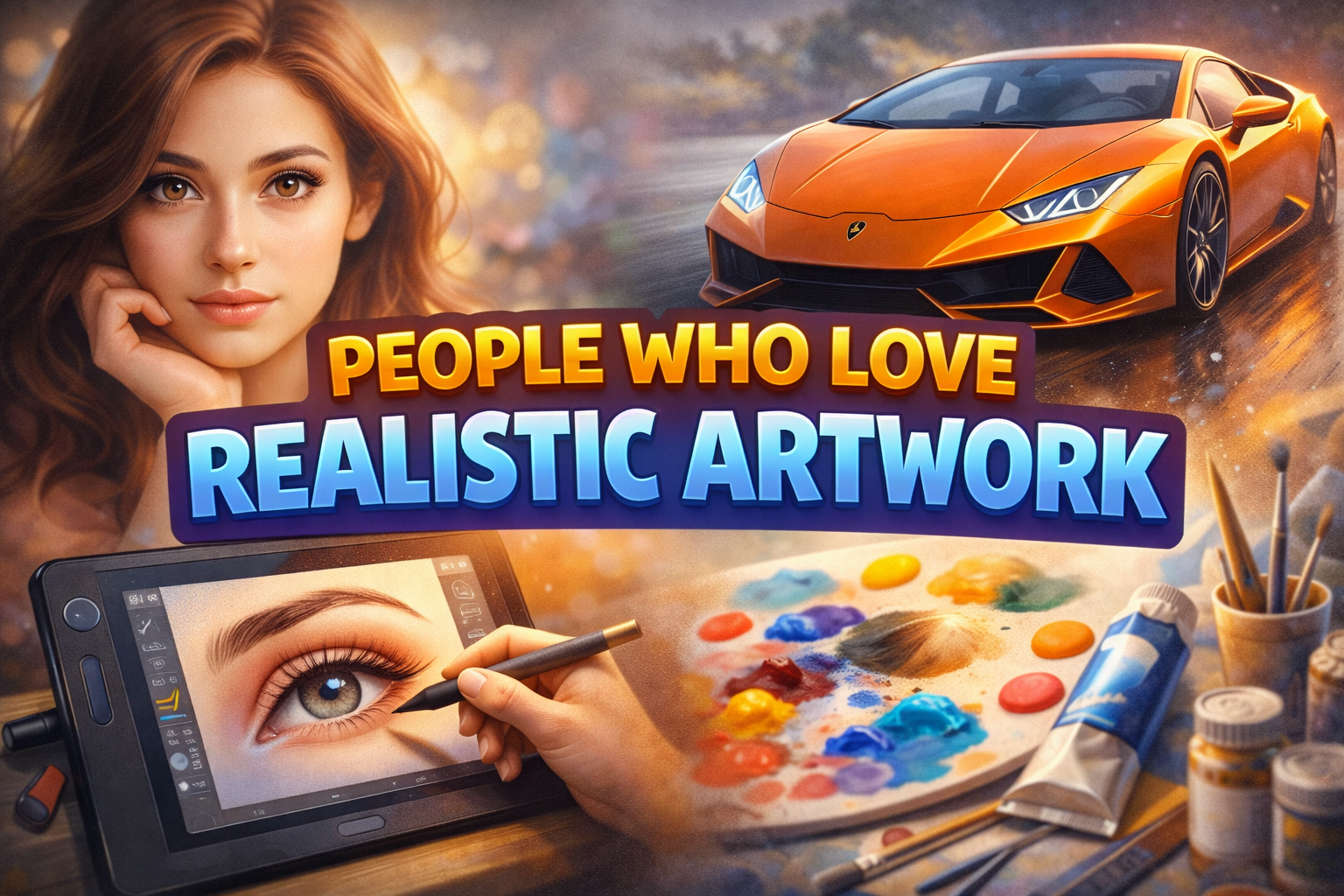
    In the world of digital art and illustration, realistic artwork has a unique power to captivate audiences. Unlike stylized or abstract art, realistic art focuses on accurate details, lifelike textures, and natural lighting, making the artwork appear almost like a photograph. For many art lovers, realistic artwork offers a deeper emotional connection and an immersive visual experience.

    Today, with the advancement of digital tools and creative techniques, realistic art has become an important part of modern illustration, concept art, digital painting, and commercial design. From portraits and automotive illustrations to cinematic scenes, realistic artwork continues to attract people who appreciate fine detail and visual precision.

    What is Realistic Artwork?

    Realistic artwork is a style of art that aims to represent subjects as accurately and naturally as possible. Artists focus on elements such as lighting, shadow, texture, proportions, and depth to create visuals that closely resemble real-life objects or environments.

    This style requires strong artistic skills and a deep understanding of anatomy, perspective, and color theory. Whether created traditionally with pencil and paint or digitally using professional software, realistic artwork showcases the technical mastery and dedication of the artist.

    Why People Are Drawn to Realistic Art

    Many people are naturally attracted to realistic artwork because it mirrors the world around them. When viewers see a highly detailed illustration that looks real, it immediately captures their attention and curiosity.

    Here are some reasons why people love realistic artwork:

    Visual Authenticity
    Realistic art creates the illusion of reality, making the subject feel tangible and believable.

    Emotional Connection
    Detailed facial expressions, textures, and lighting can evoke strong emotions and create a deeper connection between the artwork and the viewer.

    Impressive Craftsmanship
    Realistic artwork showcases the artist’s skill, patience, and attention to detail, which many art enthusiasts admire.

    Immersive Experience
    High-detail visuals allow viewers to explore the artwork closely, discovering subtle details and textures that make the piece feel alive.

    Realistic Artwork in the Digital Age

    With modern digital tools, realistic art has reached new levels of precision and creativity. Digital painting software, advanced rendering tools, and high-resolution displays allow artists to create artwork that rivals photography.

    Digital realistic artwork is widely used in:

    • Character design
    • Automotive illustrations
    • Concept art for films and games
    • Product visualization
    • Portrait commissions
    • Advertising and marketing visuals

    These industries rely on realistic artwork because it helps communicate ideas clearly while maintaining a strong visual impact.

    Realistic Artwork and Branding

    Many brands and creative studios are now incorporating realistic illustrations into their marketing strategies. Realistic visuals can make promotional content look more premium, professional, and engaging.

    For example, realistic artwork can be used in:

    • Social media campaigns
    • Website banners
    • Promotional posters
    • Product presentations

    These visuals not only attract attention but also help brands build credibility and visual trust with their audience.

    The Growing Community of Realistic Art Lovers

    Across social media platforms, art communities dedicated to hyper-realistic drawings, digital paintings, and photorealistic illustrations are growing rapidly. Artists share their work, techniques, and creative processes with audiences who admire the dedication behind each piece.

    People who love realistic artwork often appreciate the time, patience, and technical expertise required to create such detailed visuals.

    Conclusion

    Realistic artwork continues to inspire artists and audiences around the world. Its ability to replicate life with incredible detail makes it one of the most admired styles in both traditional and digital art.

    For art lovers, realistic artwork is more than just a visual style — it is a celebration of skill, patience, and artistic precision.

    As digital tools evolve and creative communities expand, the demand for high-quality realistic artwork, digital realism, and detailed illustration will continue to grow in the world of art, design, and digital media.

  • The Importance of Hand-Drawn Animation Using Ibis Paint

    The Importance of Hand-Drawn Animation Using Ibis Paint

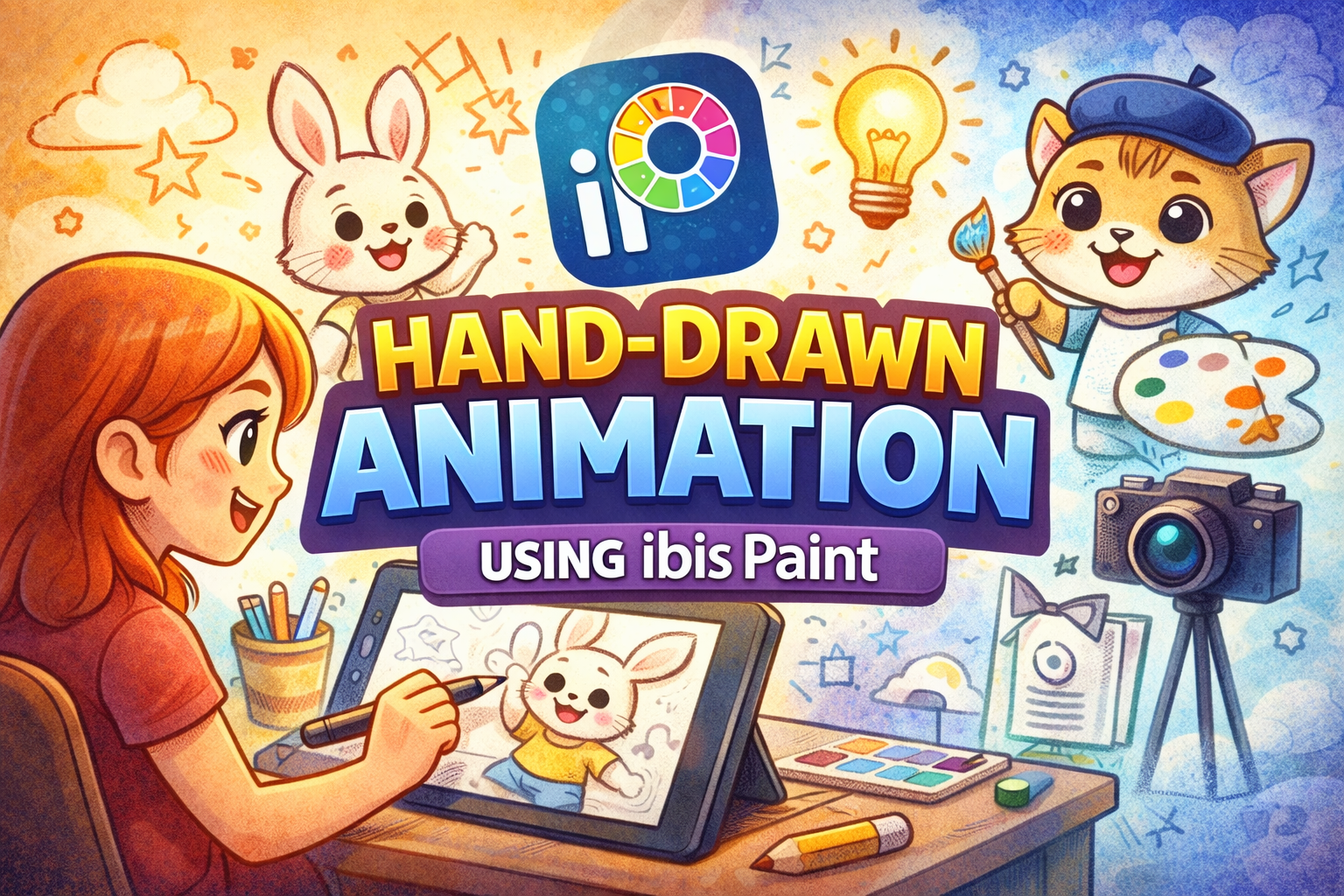
    In a world dominated by digital graphics and automated animation tools, hand-drawn animation still holds a special place in the creative industry. It brings authenticity, personality, and emotional depth that automated visuals often struggle to replicate. With modern digital tools like Ibis Paint, artists can combine the charm of traditional drawing with the efficiency of digital technology.

    For illustrators, animators, and creative studios, hand-drawn animation is not just an artistic style it is a powerful storytelling technique.

    What is Hand-Drawn Animation?

    Hand-drawn animation is a technique where each frame of the animation is drawn individually by the artist. Traditionally, this process was done on paper, frame by frame. Today, digital applications like Ibis Paint allow artists to create the same style of animation using tablets, styluses, and digital canvases.

    This method preserves the organic feel of traditional art while offering the flexibility and efficiency of digital tools.

    Why Ibis Paint is Popular Among Animators

    Ibis Paint has become one of the most widely used digital drawing applications for artists and animators. It offers powerful features that make hand-drawn animation easier and more efficient.

    Some of its key advantages include:

    Professional Brush Library
    Ibis Paint offers hundreds of customizable brushes that mimic real-world drawing tools such as pencils, ink pens, and paint brushes.

    Layer Support
    Artists can manage complex illustrations and animation frames using multiple layers, making the workflow more organized.

    Stabilization Tools
    Line stabilization helps artists create smooth and clean strokes, which is essential for professional animation.

    Time-Lapse Recording
    The application automatically records the drawing process, allowing artists to showcase their creative workflow.

    These features make Ibis Paint a powerful tool for both beginners and professional artists working in hand-drawn animation.

    The Creative Advantages of Hand-Drawn Animation

    Hand-drawn animation provides several benefits that set it apart from other animation styles.

    Authentic Artistic Expression
    Every frame is created by the artist, which adds a unique and personal touch to the animation.

    Stronger Emotional Connection
    Hand-drawn characters often feel more expressive and relatable, helping audiences connect emotionally with the story.

    Creative Freedom
    Artists are not limited by rigid models or templates. They can exaggerate movements, experiment with styles, and create imaginative worlds.

    Timeless Appeal
    Classic animation styles remain popular even decades later. This makes hand-drawn animation a timeless form of storytelling.

    Applications of Hand-Drawn Animation

    Hand-drawn animation is widely used across multiple creative industries.

    Marketing and Advertising
    Brands use hand-drawn animations to create engaging promotional content and storytelling advertisements.

    Social Media Content
    Short animated clips and illustrated stories are highly engaging on platforms like Instagram, YouTube, and TikTok.

    Educational Content
    Hand-drawn animations simplify complex ideas and make learning more engaging.

    Entertainment and Storytelling
    Animated series, comics, and short films often rely on hand-drawn animation to build characters and narratives.

    Why Hand-Drawn Animation Still Matters

    Despite the rise of 3D animation and motion graphics, hand-drawn animation continues to thrive because it offers something technology cannot easily replicate human creativity and emotion.

    The slight imperfections, unique strokes, and artistic style make each animation feel alive. This authenticity helps brands, creators, and storytellers stand out in a crowded digital landscape.

    Conclusion

    Hand-drawn animation remains one of the most powerful forms of visual storytelling. With tools like Ibis Paint, artists can create expressive animations while benefiting from modern digital workflows.

    By combining traditional artistic skills with digital tools, creators can produce animations that are not only visually captivating but also emotionally engaging.

    For artists, illustrators, and creative studios, mastering hand-drawn animation using Ibis Paint opens the door to limitless creative possibilities.

  • 3D Illustration: Bringing Ideas to Life Through Depth and Realism

    3D Illustration: Bringing Ideas to Life Through Depth and Realism

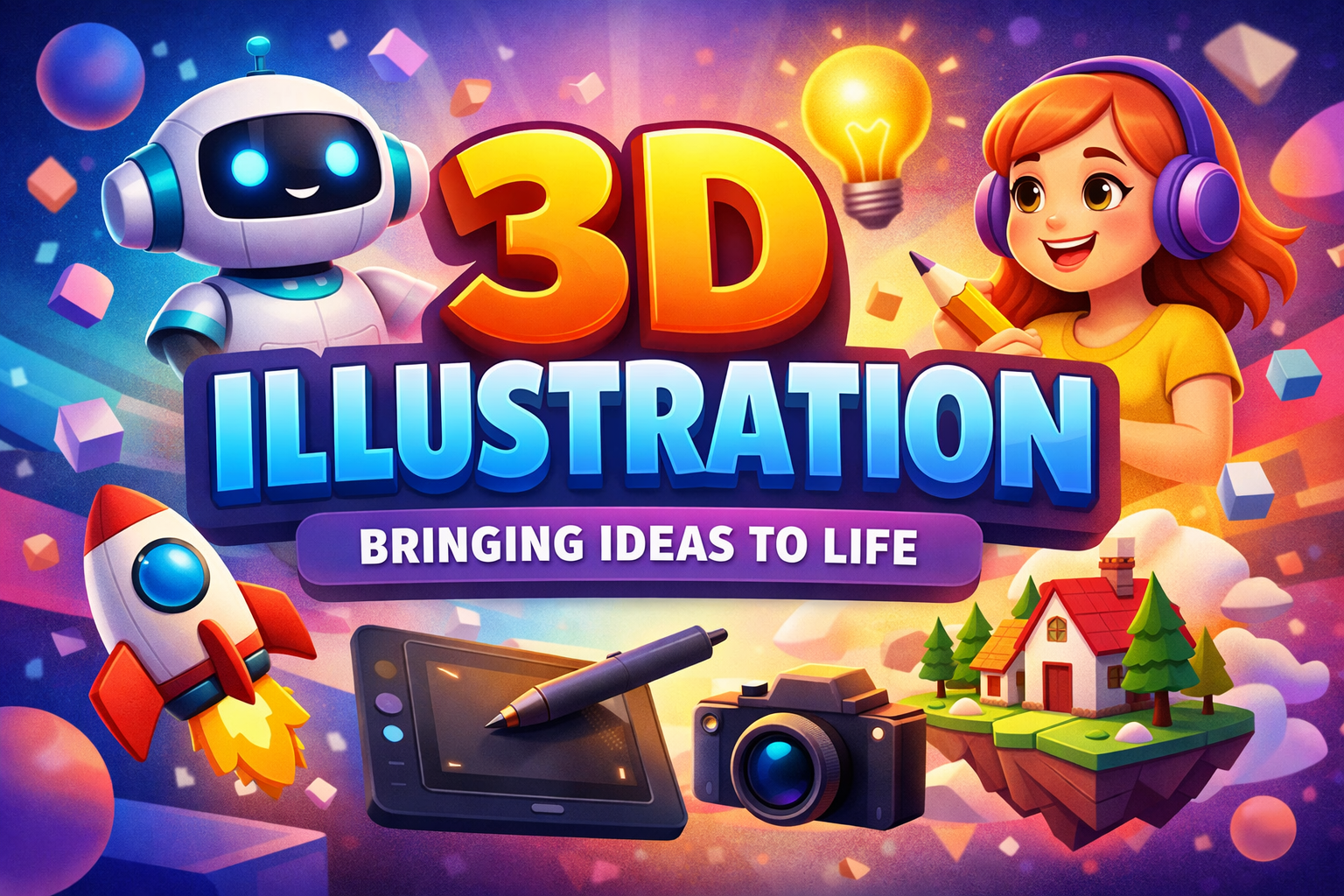
    In today’s fast-evolving digital landscape, visual storytelling has become one of the most powerful ways to communicate ideas. Among the many visual mediums available, 3D illustration stands out as a dynamic and immersive form of digital art that combines creativity, technology, and realism. From advertising campaigns and product visualization to animation and branding, 3D illustrations are transforming the way brands and creators present their ideas.

    What is 3D Illustration?

    3D illustration is the process of creating three-dimensional visual artwork using digital software. Unlike traditional 2D images, 3D illustrations have depth, lighting, texture, and perspective, making them appear more realistic and visually engaging.

    Artists use specialized software to model objects, apply materials, set lighting, and render scenes that can replicate real-world environments or completely imaginative worlds.

    This ability to control every element of a scene allows designers to produce visuals that are both creative and highly detailed.

    Why 3D Illustration is Becoming So Popular

    The demand for 3D illustration has increased dramatically in recent years, particularly in digital marketing and product design. Businesses are increasingly adopting 3D visuals because they offer a more immersive and visually compelling experience.

    Here are some reasons why 3D illustration is gaining popularity:

    Enhanced Realism
    3D illustrations can simulate real-world lighting, shadows, and materials, making visuals look incredibly lifelike.

    Creative Freedom
    Artists can create anything imaginable from futuristic environments to stylized characters without the limitations of physical photography.

    High Engagement
    3D visuals attract more attention and engagement on websites, social media, and advertisements compared to flat graphics.

    Versatility
    3D illustrations can be used in websites, product presentations, video games, advertising campaigns, and animation.

    Applications of 3D Illustration

    3D illustration is widely used across multiple industries because of its ability to communicate complex ideas visually.

    Product Visualization
    Brands use 3D illustrations to showcase products before they are even manufactured. This is particularly useful in industries like automotive, electronics, and consumer goods.

    Marketing and Advertising
    3D visuals create eye-catching promotional content that stands out in crowded digital spaces.

    Entertainment and Media
    Movies, games, and animated series rely heavily on 3D illustration for world-building and character design.

    Website and UI Design
    Modern websites often use stylized 3D graphics to create interactive and memorable user experiences.

    The Role of 3D Illustration in Branding

    Strong branding requires visuals that capture attention and communicate identity clearly. 3D illustrations allow brands to build unique visual styles that differentiate them from competitors.

    Companies often use 3D elements in:

    • Website hero sections
    • Social media campaigns
    • Product showcases
    • Promotional animations

    These visuals not only improve aesthetic appeal but also help brands build a memorable visual identity.

    The Future of 3D Illustration

    With advancements in rendering technology, real-time graphics, and artificial intelligence, the future of 3D illustration is incredibly promising. Industries such as virtual reality (VR), augmented reality (AR), gaming, and digital marketing are rapidly expanding their use of 3D visuals.

    As technology continues to evolve, 3D illustration will become even more accessible and integrated into everyday digital experiences.

    Conclusion

    3D illustration has become an essential tool in modern digital design. By combining artistic creativity with advanced technology, it allows creators to produce visually rich and engaging experiences that capture attention and communicate ideas effectively.

    For businesses, marketers, and creators, investing in high-quality 3D illustration is not just about aesthetics — it is about creating impactful visual stories that connect with audiences in a powerful way.

  • Professional Design Services: Why High-Quality Design is Essential for Modern Businesses

    Professional Design Services: Why High-Quality Design is Essential for Modern Businesses

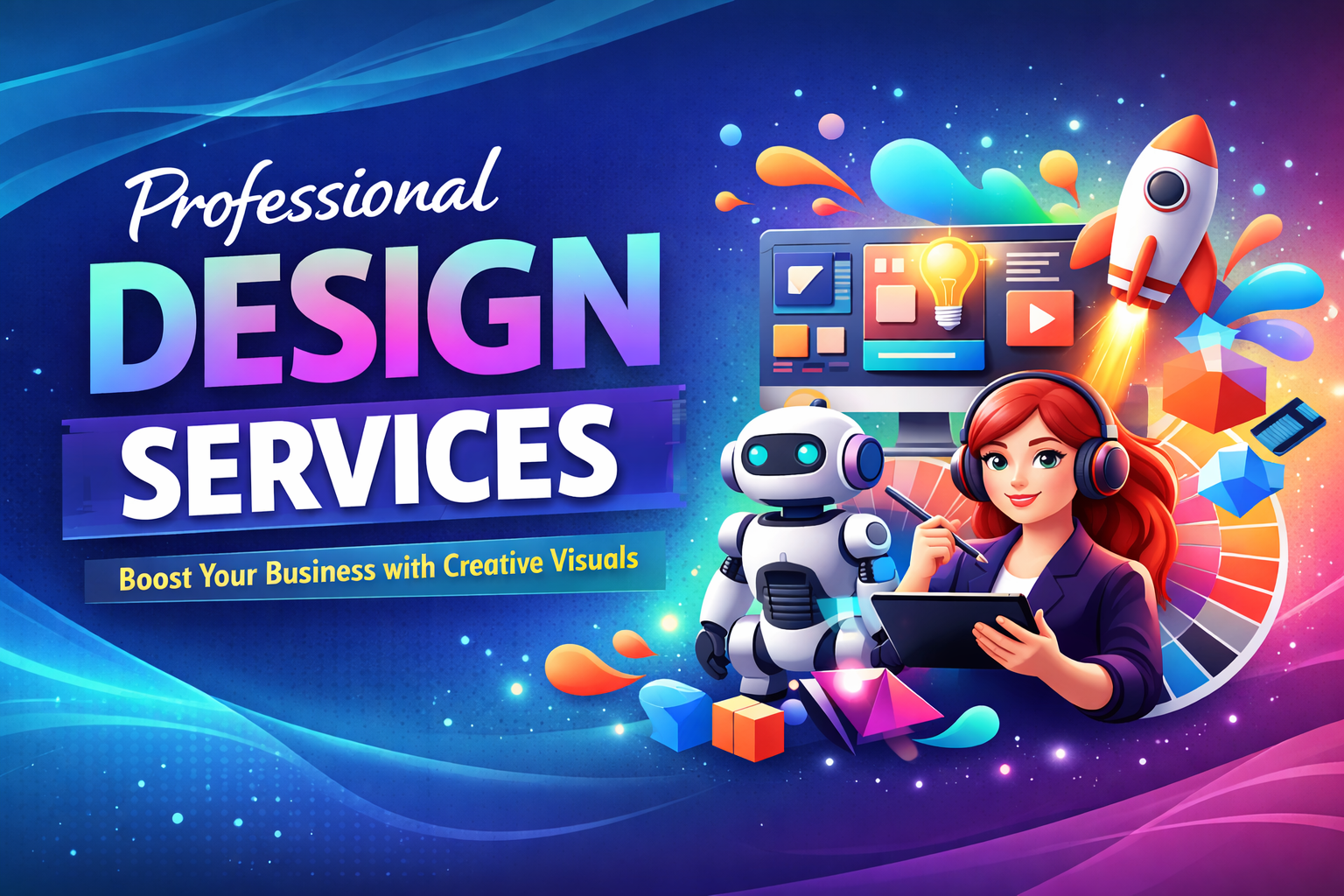
    In today’s competitive digital world, professional design services play a critical role in how businesses communicate with their audience. Whether it is graphic design, illustration, branding, 2D animation, or 3D animation, high-quality visual design helps companies attract attention, build trust, and create a strong brand identity.

    Businesses that invest in creative design solutions often experience better engagement, stronger brand recognition, and improved marketing performance. From websites and social media graphics to marketing materials and digital campaigns, design has become an essential part of modern business strategy.


    What Are Professional Design Services?

    Design services refer to the creative process of developing visual content that communicates ideas effectively. These services combine creativity, storytelling, and technical skills to produce visuals that represent a brand and connect with its audience.

    Common professional design services include:

    • Graphic Design Services – Logo design, banners, marketing materials, and social media graphics.
    • Illustration Services – Custom digital illustrations, character design, and artistic visuals.
    • Brand Identity Design – Creating logos, color palettes, and visual systems for brands.
    • 2D Animation Services – Hand-drawn and digital animations used for explainer videos, marketing, and storytelling.
    • 3D Animation Services – Realistic animations used in advertising, product visualization, and entertainment.

    These services help businesses present their message clearly while maintaining a professional and memorable appearance.


    Why Design is Important for Businesses

    1. Improves Brand Recognition

    Strong visual design helps businesses create a recognizable brand identity. When logos, colors, and visuals are consistent across platforms, customers remember the brand more easily.

    2. Increases Customer Engagement

    Visual content such as illustrations, graphics, and animations attracts more attention than plain text. Engaging designs encourage users to interact with websites, advertisements, and social media posts.

    3. Enhances Marketing Performance

    Well-designed marketing materials improve conversion rates. Businesses using professional graphic design services often see better results in digital marketing campaigns.

    4. Builds Trust and Professionalism

    A poorly designed brand can reduce credibility. On the other hand, high-quality visuals signal professionalism and reliability.


    The Role of Graphic Design in Digital Marketing

    Graphic design is a key component of digital marketing strategies. Businesses use design to create:

    • Website visuals
    • Social media content
    • Marketing banners
    • Advertising creatives
    • Product presentations

    With the growth of online platforms, companies now rely heavily on creative graphic design solutions to capture attention in crowded digital spaces.


    Illustration and Visual Storytelling

    Custom illustrations are becoming increasingly popular in branding and marketing. Unlike stock images, original illustrations give brands a unique identity and allow them to communicate complex ideas visually.

    Illustrations are commonly used in:

    • Brand storytelling
    • Editorial content
    • Website graphics
    • Comics and creative marketing campaigns

    For brands looking to stand out, professional illustration services provide a powerful visual storytelling tool.


    The Growing Importance of Animation

    Animation is one of the most effective forms of visual communication in the digital age. Both 2D animation and 3D animation allow brands to present ideas in a dynamic and engaging way.

    Businesses use animation for:

    • Explainer videos
    • Social media marketing
    • Product demonstrations
    • Advertising campaigns
    • Educational content

    Because animated visuals capture attention quickly, animation services are becoming essential for modern digital marketing strategies.


    Choosing the Right Design Agency

    When selecting a design agency or studio, businesses should consider:

    • Creative portfolio and experience
    • Understanding of branding and storytelling
    • Ability to deliver high-quality visuals
    • Expertise in multiple design services such as illustration, animation, and graphic design

    Working with a professional design team ensures that every visual element aligns with the brand’s message and marketing goals.


    Conclusion

    In the modern digital landscape, professional design services are no longer optional they are essential. From graphic design and illustration to animation and branding, creative visuals help businesses communicate effectively and stand out in a competitive market.

    Investing in high-quality design not only improves brand identity but also enhances marketing results, customer engagement, and long-term business growth.

    Businesses that prioritize creative design and visual storytelling position themselves for greater success in the digital world.

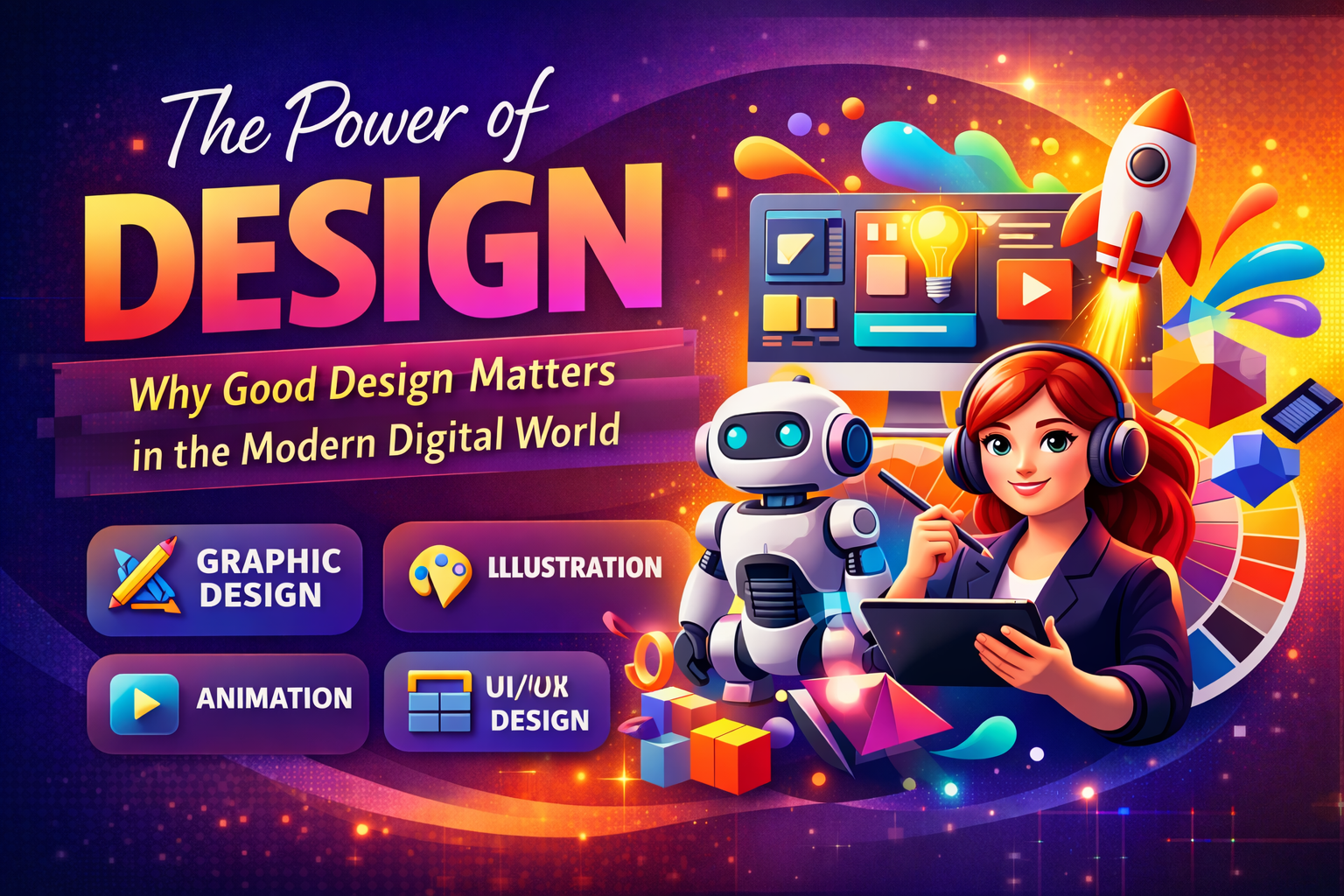
  • The Power of Design: Why Good Design Matters in the Modern Digital World

    The Power of Design: Why Good Design Matters in the Modern Digital World

    Design is everywhere. From the websites we browse to the products we use daily, design plays a crucial role in shaping how we interact with the world. In today’s digital era, effective design is not only about aesthetics it is about communication, functionality, and creating meaningful experiences for users.

    Whether it is graphic design, illustration, animation, branding, or UI/UX, strong design helps businesses tell their story, connect with their audience, and stand out in a competitive market.


    What is Design?

    Design is the process of planning and creating visual and functional solutions that communicate ideas clearly. It combines creativity, strategy, and technical skills to solve problems and present information in an engaging way.

    A well-designed product or visual communicates instantly. It captures attention, delivers a message, and guides the viewer’s experience.

    Design can take many forms, including:

    • Graphic Design – Visual communication through images, typography, and layout.
    • Illustration – Artistic visuals used to convey stories, concepts, or branding.
    • Animation – Moving visuals that bring ideas and characters to life.
    • UI/UX Design – Designing digital experiences that are easy and enjoyable to use.
    • Brand Design – Creating a visual identity that represents a company’s personality.

    Why Design is Important for Businesses

    In a crowded digital marketplace, businesses must communicate quickly and effectively. Design plays a vital role in shaping how people perceive a brand.

    1. Creates Strong First Impressions

    People form opinions in seconds. A professional design immediately builds credibility and trust.

    2. Communicates Brand Identity

    Colors, typography, imagery, and style all work together to represent a brand’s personality and values.

    3. Improves User Experience

    Good design is not only beautiful it is functional. Clear layouts and intuitive interfaces make it easier for users to interact with products and websites.

    4. Increases Engagement

    Visual content is more engaging than plain text. High-quality design encourages users to stay longer and interact more with content.

    5. Supports Marketing and Storytelling

    Design helps transform ideas into visual stories that audiences remember.


    Key Elements of Effective Design

    Great design follows certain principles that make visuals both appealing and effective.

    Balance – Ensuring elements are evenly distributed for visual harmony.
    Contrast – Using differences in color, size, or shape to highlight important elements.
    Hierarchy – Organizing information so viewers naturally focus on key messages first.
    Consistency – Maintaining a unified style across all visuals.
    Simplicity – Keeping designs clear and uncluttered to improve understanding.

    When these principles work together, the result is a design that is both visually attractive and easy to understand.


    The Role of Design in the Digital Age

    With the growth of social media, online businesses, and digital marketing, design has become more important than ever. Brands now rely on visual content to communicate quickly across platforms like websites, mobile apps, and social networks.

    From social media graphics and website layouts to animated content and digital illustrations, design shapes how audiences interact with brands online.

    In particular, motion design and animation have become powerful tools for capturing attention in the fast-paced digital landscape.


    The Future of Design

    Design continues to evolve alongside technology. Emerging tools such as AI-assisted design, interactive media, and immersive experiences are transforming how designers create and how audiences engage with content.

    However, one thing remains constant: great design is always centered on people. It aims to communicate clearly, inspire emotion, and solve real problems.


    Conclusion

    Design is far more than decoration — it is a powerful communication tool that connects ideas, brands, and people. Businesses that invest in thoughtful and professional design gain a strong advantage in attracting attention, building trust, and creating lasting impressions.

    As digital platforms continue to grow, the demand for creative, strategic, and visually compelling design will only increase. Whether through graphics, illustrations, animations, or branding, great design remains one of the most effective ways to bring ideas to life.

  • 2D Animation: Expressive and Story-Driven

    2D Animation: Expressive and Story-Driven

    2D animation is timeless and highly effective for storytelling. It allows creative freedom, expressive characters, and smooth visual narratives. Hand-drawn and digital 2D animations are ideal for explainer videos, social media content, educational videos, and brand stories.

    Because of its versatility and cost-effectiveness, 2D animation remains one of the most popular animation styles for marketing and online content.

  • What Is Animation and Why It Matters?

    What Is Animation and Why It Matters?

    Animation is the art of bringing visuals to life through motion. Whether it’s 2D animation, 3D animation, or hand-drawn animation, motion adds clarity, emotion, and impact to any message. Animated content is easier to understand, more memorable, and far more engaging than static designs or long blocks of text.

    Businesses that use animation often see higher engagement rates, better brand recall, and improved conversion rates. Animation helps simplify complex ideas and makes information visually appealing and easy to consume.

  • Your Website Isn’t a Brochure —It’s a Conversion Machine

    Your Website Isn’t a Brochure —It’s a Conversion Machine

    Many businesses still treat their website like a digital flyer.

    Static information.
    Minimal interaction.
    No visual strategy.

    That’s outdated thinking.

    Your website isn’t there to exist.

    It’s there to convert.

    What High-Performing Brands Do Differently

    Companies like Airbnb and Stripe understand that subtle animation and clean UI guide user behavior.

    Their websites don’t just look good.

    They move strategically.

    Micro-interactions guide attention.
    Motion highlights key actions.
    Visual hierarchy reduces cognitive overload.

    The Anatomy of a Modern Conversion Website

    A high-performing website combines:

    ✔ Custom artwork that reflects brand identity
    ✔ Micro-animations that guide focus
    ✔ Strategic UX structure
    ✔ Fast loading performance
    ✔ Clear, frictionless conversion funnels
    ✔ Emotional storytelling

    Every section answers a question.
    Every visual supports action.
    Every animation has purpose.

    Strategy vs Decoration

    Without strategy, a website is just digital real estate.

    With strategy, it becomes:

    • A sales system
    • A lead-generation engine
    • A credibility amplifier
    • A brand storytelling platform

    The brands winning in 2026 aren’t the loudest.

    They’re the clearest.

    And clarity converts.